


Children’s Blinds Safety Standards and Design Considerations for Family Homes

Home safety is a top priority for families, and window coverings play a surprisingly critical role in ensuring a secure environment for children. While traditional blinds and curtains offer style and functionality, many designs, especially those with cords or chains, can pose serious hazards for young children. Strangulation accidents, entanglement, and injuries from pulling or tipping mechanisms are real risks that parents must address.
Children’s blinds have emerged as a solution that combines safety, practicality, and style. These blinds are specifically designed to reduce risks while maintaining aesthetic appeal and functionality. They include features like cordless designs, motorized operation, durable materials, and compliance with national and international safety standards.
Understanding Children’s Blinds
Children’s blinds are window coverings designed with enhanced safety features, specifically targeting the needs of households with young children. Unlike standard blinds, which may have dangling cords, chains, or fragile materials, children’s blinds focus on minimizing hazards while providing the same light control, privacy, and aesthetic benefits.
Common types of children’s blinds include:
- Roller Blinds: Smooth and flat, often cordless or motorized, ideal for nurseries and bedrooms.
- Roman Blinds: Soft, fabric-based blinds that can be customized with child-safe mechanisms.
- Venetian Blinds: Horizontal slats with cordless options to prevent entanglement.
- Vertical Blinds: Sliding vertical panels with child-safe cord alternatives.
The design of these blinds not only addresses safety but also ensures ease of use and durability, making them practical for active family environments.
Key Safety Standards
Safety standards play a vital role in guiding parents toward secure and reliable window coverings. Various national and international regulations aim to reduce the risks associated with window blinds:
- CPSC (Consumer Product Safety Commission – USA): Provides guidelines for child-safe blinds, emphasizing the elimination of hazardous cords.
- EN 13120 (Europe): Specifies requirements for safety, performance, and labeling of window coverings.
- Cordless and Motorized Standards: Many regions mandate cordless designs or motorized operation in products intended for children’s rooms.
Safety measures in compliance with these standards include:
- Cordless Mechanisms: Completely eliminate loops or dangling cords to prevent strangulation.
- Breakaway Features: If cords are present, they include tension devices or breakaway components to reduce risk.
- Durable Construction: Sturdy materials reduce the risk of breakage, tipping, or pinching.
- Certified Labeling: Products meeting safety regulations often carry certification marks, giving parents confidence in their choices.
Design Considerations for Family Homes
When selecting children’s blinds, safety is paramount, but design, functionality, and durability are also important. Key considerations include:
Cordless Blinds
Cordless designs are the gold standard for children’s safety. They provide a sleek, modern look and eliminate strangulation hazards. Spring-assisted or motorized roller blinds often fall into this category.
Motorized Blinds
Motorized blinds allow remote operation, which is particularly convenient in nurseries or bedrooms where access may be limited. They also prevent children from tampering with the blinds manually.
Durable Materials
Children are naturally curious and may tug or play near windows. Blinds made from robust fabrics, strong slats, or reinforced materials withstand daily wear and accidental impacts while maintaining their function and appearance.
Ease of Cleaning
Children’s rooms are prone to dust, spills, and fingerprints. Blinds made from wipeable fabrics or materials that resist staining simplify maintenance and contribute to a hygienic environment.
Aesthetic Appeal
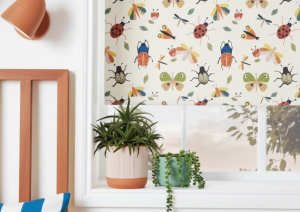
Blinds for children do not need to sacrifice style. Fun patterns, bright colors, or thematic prints can engage children while complementing room décor. For older children or shared spaces, neutral or modern designs can maintain continuity with the rest of the home while still being child-safe.
Benefits of Child-Safe Blinds
The advantages of investing in children’s blinds extend beyond safety:
- Enhanced Safety: Reduces risk of strangulation, entanglement, and accidental injuries.
- Parental Peace of Mind: Parents can relax knowing their children are safe around windows.
- Durability: High-quality materials and secure mechanisms withstand active use, reducing the need for frequent replacements.
- Convenience: Motorized and cordless blinds simplify daily operation, especially for multiple windows.
- Design Flexibility: Offers options to match various interior design themes without compromising safety.
Factors to Consider When Choosing Children’s Blinds
Parents should evaluate several factors before selecting blinds:
- Age of Children: Younger children require stricter safety measures such as cordless or fully automated blinds.
- Window Size and Room Type: Floor-to-ceiling windows, nursery windows, or playroom windows may need specialized designs.
- Fabric Choice: Consider light-filtering, blackout, or UV-protective fabrics based on the room’s purpose
- Mechanism Preference: Motorized options offer convenience and safety, while manual options must be cordless.
- Compliance with Regulations: Ensure the blinds meet local and international safety standards to guarantee protection.
Installation and Maintenance
Proper installation is crucial for child-safe blinds. Key points include:
- Professional vs. DIY Installation: Motorized or large blinds often require professional installation to ensure secure mounting and proper operation.
- Anchoring and Mounting: Wall and ceiling mounts must be sturdy to prevent tipping or detachment.
- Routine Inspection: Regularly check for loose parts, wear, or damage to ensure continued safety.
- Cleaning Techniques: Use gentle cleaning solutions and methods suitable for child-friendly fabrics to maintain hygiene without damaging the blinds.
Common Mistakes to Avoid
- Using Blinds with Exposed Cords: Looped or dangling cords are a leading cause of accidents.
- Selecting Flimsy or Unsafe Materials: Weak materials can break easily, posing safety risks.
- Ignoring Certification Labels: Products without safety compliance may not meet essential standards.
- Improper Installation: Poorly mounted blinds can detach or malfunction, increasing hazards.
- Neglecting Room-Specific Needs: Failing to consider window size, fabric type, or light control can reduce functionality.
Expert Tips for Maximizing Safety and Functionality
- Layering Blinds with Curtains: Adds insulation and an additional safety barrier.
- Positioning Blinds Out of Reach: Mount blinds high enough to prevent accidental pulling or tampering.
- Choosing Durable and UV-Resistant Fabrics: Enhances longevity and protects children from harmful sunlight.
- Regularly Reviewing and Updating Blinds: As children grow, update window coverings to maintain safety standards.
- Incorporating Motorized or Smart Features: Scheduled operation reduces daily interaction, enhancing safety and convenience.
Conclusion
Children’s blinds provide a vital combination of safety, functionality, and style for family homes. By adhering to national and international safety standards, using cordless or motorized mechanisms, and selecting durable, easy-to-clean fabrics, parents can create safe environments for their children while maintaining aesthetic appeal. Proper installation, maintenance, and thoughtful design choices ensure that children’s blinds serve as a practical and long-lasting solution, giving parents peace of mind without compromising on home décor.