


Room-by-Room Guide: The Best Blinds for Kitchens, Bedrooms, and Living Areas

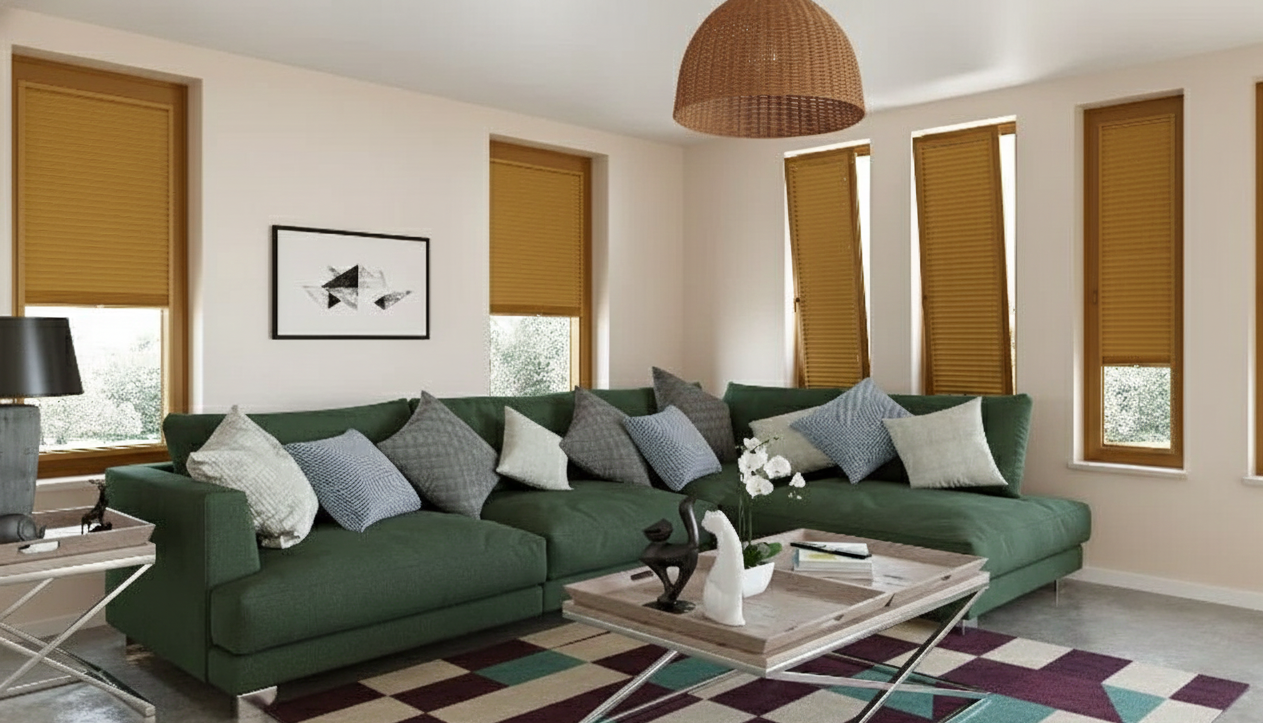
Window coverings are one of the most important elements in a home. They not only influence the aesthetic appeal of a room but also serve practical purposes, such as controlling light, ensuring privacy, enhancing energy efficiency, and contributing to the overall comfort of the space. Selecting blinds is not a “one-size-fits-all” process; the ideal choice depends on the room’s function, environmental conditions, and design goals.
For example, kitchens require blinds that are easy to clean and resistant to moisture and heat, while bedrooms demand solutions that offer light-blocking capabilities and privacy. Living areas often require versatile blinds that balance natural light, style, and energy efficiency.
This guide offers a room-by-room approach for selecting the perfect blinds, covering materials, styles, mechanisms, installation considerations, and design tips. It helps homeowners make informed decisions to enhance both the functionality and visual appeal of their home interiors.
Choosing Blinds for Kitchens
The kitchen is often the most dynamic and high-traffic room in a home. It is exposed to humidity, steam, heat, and occasional splashes from cooking or dishwashing. These factors make it essential to select blinds that are durable, moisture-resistant, and easy to maintain, while still complementing the kitchen décor.
Key Considerations
- Moisture Resistance: Kitchens generate steam and condensation. Blinds made from PVC, aluminum, or specially coated fabrics prevent warping and mold growth.
- Ease of Cleaning: Kitchens can accumulate grease, dust, and food splatters. Blinds should be easy to wipe down or machine washable.
- Durability: Frequent opening and closing of blinds means they must withstand wear and tear. Robust materials like aluminum or faux wood slats are ideal.
- Light Control: Kitchens require adjustable light to avoid glare on countertops while allowing natural light for daytime cooking.
Recommended Types
- Roller Blinds: Smooth and sleek, roller blinds can be made from moisture-resistant and washable fabrics. They are ideal for modern kitchens where minimalism is desired.
- Venetian Blinds: Horizontal slats allow precise light control and ventilation. Aluminum or PVC slats are suitable for humid environments.
- Faux Wood or Aluminum Blinds: These materials are resistant to humidity and can endure frequent cleaning, making them practical and long-lasting.
Material Choices
- PVC or vinyl fabrics for water resistance.
- Aluminum slats for durability and low maintenance.
- UV-protective coatings to prevent fading from sunlight exposure.
Style and Design Tips
- Neutral colors or metallic finishes create a sleek, contemporary look.
- Textured or patterned blinds can complement cabinet finishes or backsplash designs.
- Consider coordinating with countertops, appliances, and cabinetry to achieve a cohesive appearance.
Additional Tips
- Motorized roller blinds can simplify operation in tight spaces or above sinks.
- Use blinds with a top-down/bottom-up feature for more flexible light control and privacy.
Choosing Blinds for Bedrooms
Bedrooms are private sanctuaries, requiring blinds that provide comfort, tranquility, and protection from light. The wrong blinds can interfere with sleep, privacy, and even room temperature.
Key Considerations
- Light Control: Blackout or thermal blinds ensure that light from street lamps, early morning sun, or nearby buildings does not disturb sleep.
- Privacy: Bedrooms need complete privacy, especially in ground-floor rooms or apartments.
- Thermal Insulation: Insulated blinds like cellular or honeycomb blinds improve energy efficiency and maintain a cozy temperature
- Noise Reduction: Some blinds with thick fabrics can help slightly absorb sound, enhancing the bedroom environment.
Recommended Types
- Blackout Roller Blinds: Offer complete darkness, ideal for rooms where light disturbance is a concern.
- Roman Blinds: Soft folds add elegance and can include blackout linings for optimal light control.
- Cellular/Honeycomb Blinds: Excellent for insulation, reducing energy bills by preventing heat loss in winter and heat gain in summer.
- Motorized Options: Convenient for heavy or floor-to-ceiling windows, and can be integrated with smart-home systems for automated schedules.
Material Choices
- Thick blackout fabrics for complete light blockage.
- Soft textured fabrics like linen or cotton blends for a cozy feel.
- Thermal-backed fabrics for enhanced insulation.
Style and Design Tips
- Neutral, muted tones promote relaxation.
- Soft patterns, such as stripes or subtle geometric prints, add interest without overwhelming the room.
- Layering with curtains enhances insulation and provides additional flexibility for light control.
- For children’s bedrooms, consider fun patterns and washable materials that are safe and durable.
Additional Tips
- Motorized or smart blinds allow parents to schedule opening and closing for natural light exposure in the morning.
- For rooms with large windows or sliding doors, consider dual-layer blinds that combine sheer and blackout fabrics for maximum flexibility.
Choosing Blinds for Living Areas
Living areas are multifunctional spaces used for entertainment, relaxation, and family gatherings. Blinds in these rooms must balance style, light control, and privacy, while enhancing the room’s overall design.
Key Considerations
- Light Management: Blinds should allow adjustable natural light without glare on TVs or reflective surfaces.
- Privacy: Especially important for street-facing rooms or homes close to neighbors.
- Energy Efficiency: Blinds can help regulate room temperature, keeping the living area comfortable year-round.
- Design Integration: Blinds must complement furniture, wall colors, and décor accents.
Recommended Types
- Roller Blinds: Provide a clean, minimalist look and can be paired with decorative curtains.
- Venetian Blinds: Allow precise light adjustment and are suitable for modern or traditional interiors.
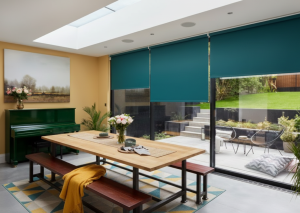
- Vertical Blinds: Ideal for sliding doors or floor-to-ceiling windows.
- Dual-Layer or Day/Night Blinds: Combine sheer and blackout fabrics for versatile light control and enhanced aesthetics.
Material Choices
- Sheer fabrics for soft light diffusion.
- Textured fabrics to add dimension and style.
- UV-resistant materials to prevent furniture fading.
Style and Design Tips
- Match blinds with furniture and décor to create a cohesive design scheme.
- Use bold patterns or textures to create a statement piece or focal point in the room.
- Layer blinds with curtains for added sophistication, insulation, and flexibility.
Additional Tips
- Motorized or smart blinds can automate lighting, enhancing convenience for multiple large windows.
- Consider blinds with light-filtering options for daytime use and blackout for evening privacy.
Factors to Consider Across All Rooms
When selecting blinds for any room, the following considerations are universal:
- Window Size and Orientation: Large or unusually shaped windows may require custom-made blinds or motorized options.
- Mechanism Preference: Manual operation is simple and cost-effective, while motorized blinds offer convenience for high or hard-to-reach windows.
- Durability and Maintenance: Kitchens need washable and moisture-resistant materials, while bedrooms and living areas prioritize comfort and style.
- Color Palette and Design Integration: Blinds should harmonize with wall colors, furniture, and décor for a cohesive home design.
- Energy Efficiency: Insulated blinds can reduce heating and cooling costs and improve home comfort.
Installation and Maintenance Tips
- Professional vs DIY Installation: Large, heavy, or motorized blinds may require professional installation to ensure safety and smooth operation.
- Cleaning: Regular dusting and occasional washing of fabrics or wiping of slats prolong the lifespan of blinds.
- Seasonal Adjustments: Adjust blinds to control sunlight intensity, manage glare, and optimize energy efficiency throughout the year.
- Safety Checks: For homes with children, always install cordless blinds or motorized options to prevent accidents.
Common Mistakes to Avoid
- Choosing moisture-sensitive fabrics for kitchens, leading to mold or damage.
- Ignoring light control in bedrooms, causing sleep disruption.
- Selecting blinds that clash with living room décor, disrupting design harmony.
- Poor measurement, leading to ill-fitting blinds that reduce functionality.
- Neglecting material durability and maintenance, which shortens the lifespan of the blinds.
Expert Tips for Maximizing Functionality and Style
- Layer blinds with curtains for additional insulation, privacy, and aesthetic appeal.
- Use motorized or smart blinds for convenience, especially for high or multiple windows.
- Coordinate fabric colors and textures across rooms to create a cohesive home design.
- Select energy-efficient and UV-resistant materials for long-term protection and comfort.
- Customize blinds for unique window shapes or sizes to maximize functionality and visual appeal.
Conclusion
Selecting the right blinds for each room is essential to balancing style, functionality, and comfort in a home. Kitchens benefit from moisture-resistant and easy-to-clean blinds, bedrooms require privacy and blackout solutions, and living areas thrive with versatile blinds that manage light, protect interiors, and enhance décor.
By considering window size, room function, material, and operation mechanisms, homeowners can choose blinds that not only elevate their interiors but also improve comfort, safety, and energy efficiency. Well-chosen blinds enhance every living space, making a home more functional, stylish, and enjoyable for daily life.