


Electric Blinds An Expert Overview of Smart, Automated Window Coverings

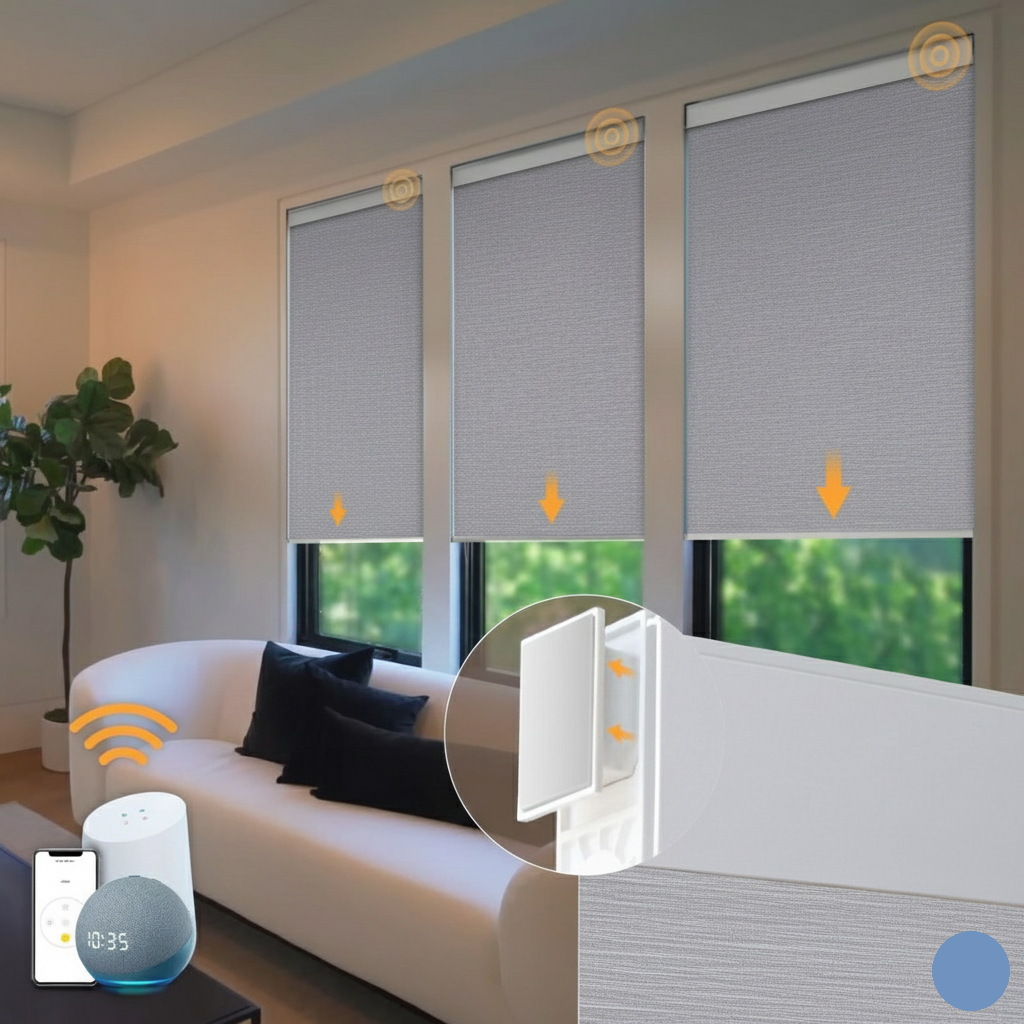
In today’s fast-paced world, convenience, efficiency, and modern design are key considerations in home interiors. Electric blinds have emerged as a sophisticated solution, transforming the way homeowners manage natural light, privacy, and temperature control. Unlike traditional blinds that require manual adjustment, electric blinds offer automated, smart functionality that seamlessly integrates with modern lifestyles. Their popularity is growing not only for practical benefits but also for their aesthetic appeal, blending technology with design to create sleek and stylish living spaces.
This article provides an expert overview of electric blinds, covering their key features, benefits, technology, design trends, installation considerations, and tips for maximizing efficiency. By understanding these aspects, homeowners can make informed decisions and invest in window coverings that elevate both functionality and elegance.
Understanding Electric Blinds
Electric blinds are automated window coverings that operate using a motorized mechanism, allowing them to be raised, lowered, or adjusted remotely. The technology behind electric blinds provides precision control over natural light and privacy, which is particularly useful for large windows, hard-to-reach areas, or multiple windows in one room.
Unlike manual blinds, which rely on cords, chains, or wands, electric blinds offer effortless operation with just a button, remote, or smartphone. They are available in various styles, including roller blinds, Roman blinds, Venetian blinds, and vertical blinds. Each type can be motorized and customized according to window size, room requirements, and aesthetic preferences.
Electric blinds are designed to be both functional and visually appealing. They not only serve as window coverings but also complement modern interior design, providing a streamlined, minimalistic look that fits seamlessly with contemporary décor.
Key Features of Electric Blinds
Automated Operation
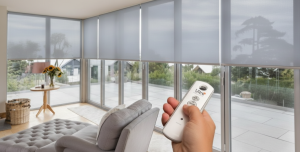
One of the most significant advantages of electric blinds is their automated functionality. These blinds can be controlled via wall switches, remote controls, or smartphones. This allows for precise adjustments at any time, eliminating the need for manual intervention and enhancing convenience for homeowners with busy schedules or mobility limitations.
Smart Home Integration
Electric blinds often come with smart-home compatibility, allowing them to connect with voice assistants like Alexa, Google Home, or Apple HomeKit. This enables homeowners to schedule blinds to open or close at specific times, automate routines based on sunrise or sunset, and integrate blinds into broader home automation systems for energy management and security.
Safety Features
Modern electric blinds incorporate safety mechanisms such as child-safe designs, obstruction detection, and automatic stop features. These reduce risks associated with traditional corded blinds, making them a safer choice for households with children or pets.
Energy Efficiency
Electric blinds contribute to energy savings by regulating indoor temperatures. By automatically adjusting based on sunlight, temperature, or occupancy, they minimize heat gain in summer and heat loss in winter. Some models include reflective or thermal fabrics that further enhance insulation, reducing the need for air conditioning or heating.
Design Flexibility
Despite their technological features, electric blinds do not compromise on design. They are available in a wide variety of fabrics, colors, and textures, from sheer and translucent options to blackout and patterned materials. This ensures that homeowners can maintain a cohesive interior aesthetic while enjoying smart functionality.
Benefits of Electric Blinds
Convenience and Ease of Use
Electric blinds offer unmatched convenience, especially for large or multiple windows. With automated controls, homeowners can adjust lighting or privacy in one room or throughout the house with a single device or preset schedule. This is particularly useful in spaces like living rooms, bedrooms, or home offices.
Enhanced Privacy and Security
Automated blinds enhance privacy by providing controlled access to outside views. Additionally, timed operation can mimic occupancy while homeowners are away, deterring potential intruders and increasing home security.
Energy Savings
Electric blinds help reduce energy consumption by automatically controlling heat gain and loss. For example, blinds can close during the hottest part of the day to reduce cooling costs or close at night to retain warmth in winter. Over time, this results in significant utility savings.
Aesthetic Appeal
These blinds contribute to a clutter-free, modern look, as they eliminate dangling cords or chains. Their sleek profiles and hidden mechanisms make them a stylish addition to any interior, whether contemporary, minimalist, or luxurious.
Accessibility
Electric blinds are ideal for elderly individuals or those with mobility impairments. With no need to manually adjust blinds, everyone in the household can enjoy comfort, convenience, and control without physical strain.
Technology Behind Electric Blinds
Motor Types
Electric blinds utilize different motor systems based on requirements:
- Tubular Motors: Compact and hidden inside the roller tube, providing quiet and smooth operation.
- Battery-Powered Motors: Suitable for retrofitting existing blinds without complex wiring.
- Solar-Powered Motors: Environmentally friendly and energy-efficient, ideal for sunny locations.
Control Systems
Electric blinds can be operated through various control systems:
- Wi-Fi: Enables smartphone control and integration with home automation platforms.
- Bluetooth: Allows proximity-based operation without an internet connection.
- Radio Frequency (RF): Reliable long-range wireless control using dedicated remotes or wall panels.
Sensors and Automation
Modern electric blinds can include sensors for light, temperature, or motion. These sensors allow blinds to automatically adjust based on sunlight intensity, indoor climate, or occupancy, optimizing energy efficiency and comfort.
Scheduling and Scene Setting
Advanced electric blinds allow homeowners to set schedules for opening and closing blinds at specific times. Scene setting enables multiple blinds to operate in unison, creating customized lighting moods for different times of the day or activities like reading, watching TV, or hosting gatherings.
Design Trends for Smart Blinds
Minimalist and Sleek Designs
The modern trend emphasizes simplicity, with hidden mechanisms and flush-mounted blinds that blend seamlessly into ceilings or window frames. Neutral colors like white, beige, and gray dominate, complementing clean and sophisticated interiors.
Layered Automation
Combining sheer and blackout fabrics in a dual-layer system allows homeowners to dynamically control light and privacy while adding texture and depth to the room.
Eco-Friendly Materials
Sustainable fabrics and energy-efficient designs are becoming increasingly popular, reflecting growing environmental awareness among homeowners. Materials may include recycled textiles, low-emission fabrics, or solar-powered motors.
Integration with Smart-Home Aesthetics
Electric blinds are now designed to complement smart-home ecosystems, featuring elegant remote controls, sleek wall panels, and voice-activated commands that enhance both functionality and style.
Factors to Consider When Choosing Electric Blinds
- Window Size and Placement: Ensure blinds fit large, floor-to-ceiling, or irregularly shaped windows accurately.
- Motor and Control Preference: Decide between battery, wired, or solar-powered motors, and select compatible control systems.
- Fabric and Color: Match blinds with room décor, furniture, and lighting to maintain aesthetic harmony.
- Budget and Maintenance: Consider initial cost, long-term durability, and ease of maintenance.
- Smart-Home Integration: Ensure compatibility with existing automation systems for a seamless experience.
Installation and Maintenance
Electric blinds require accurate measurement and careful installation. While some battery-operated or solar-powered models allow for DIY setup, motorized blinds with wired connections often require professional installation.
Routine maintenance involves dusting and occasional fabric cleaning. For motorized blinds, periodic checks of motor performance and batteries or solar panels are recommended. Seasonal adjustments, such as adjusting blinds based on sun angle or temperature, optimize energy efficiency and extend the lifespan of the blinds.
Cost Considerations
Electric blinds are available across a broad price spectrum. Budget options include manual motorized blinds with basic automation, while premium models feature advanced motors, integrated sensors, custom fabrics, and smart-home compatibility. Although upfront costs may be higher, long-term benefits include energy savings, durability, and enhanced convenience, making them a worthwhile investment.
Common Mistakes to Avoid
- Ignoring compatibility with smart-home systems.
- Selecting an inappropriate motor type or power source.
- Improper measurement leading to poor fit or operational issues.
- Overlooking maintenance requirements or safety features.
- eglecting to consider interior design and color coordination.
Expert Tips for Maximizing Efficiency
- Integrate electric blinds with home automation for energy optimization.
- Combine with manual shades or curtains for layered insulation and design flexibility.
- Use sensors and programmable schedules to reduce wear and energy costs.
- Choose durable, UV-resistant fabrics for long-term performance and sun protection.
Conclusion
Electric blinds represent a perfect fusion of technology, convenience, and design. Their ability to automate light control, enhance privacy, improve energy efficiency, and complement modern interiors makes them a highly desirable choice for homeowners. By carefully considering window size, motor type, fabric, control system, and integration with smart-home technology, homeowners can select blinds that provide both aesthetic appeal and functional excellence. Investing in electric blinds ensures a stylish, energy-efficient, and future-ready home that aligns with contemporary lifestyle demands.