


Roman Blinds Professional Insights into Styles, Fabrics, and Functionality

Roman blinds are one of the most elegant and versatile window treatments available for modern homes. Unlike standard curtains or roller blinds, Roman blinds offer a unique combination of style, functionality, and practicality. They have been a staple in interior design for decades due to their ability to enhance the aesthetic appeal of a room while offering effective light control, privacy, and insulation. With a wide range of fabrics, folds, and operating mechanisms, Roman blinds can be tailored to suit almost any design scheme, from contemporary minimalism to traditional elegance. This article provides professional insights into the styles, fabrics, and functionality of Roman blinds, offering guidance for homeowners, interior designers, and enthusiasts seeking the perfect window covering solution.
Understanding Roman Blinds
Roman blinds are soft, fabric window coverings that fold neatly into horizontal pleats when raised and lay flat when lowered. Originating from ancient Roman times, these blinds were initially used to protect interiors from direct sunlight and offer privacy in homes and public spaces. Over the years, Roman blinds have evolved into stylish and functional designs, combining decorative appeal with practical features. Unlike roller blinds, which are typically rigid and unadorned, Roman blinds provide a textured, soft appearance, giving rooms a warm and inviting feel. They are highly versatile, capable of accommodating a variety of window sizes, shapes, and interior décor styles. Beyond their aesthetic appeal, Roman blinds function to control light, maintain privacy, reduce glare, and provide some level of thermal insulation, making them both a practical and decorative investment.
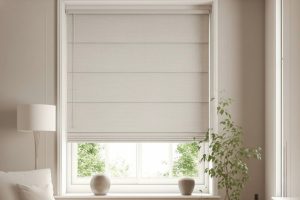
Styles of Roman Blinds
Roman blinds are available in several distinctive styles, each offering unique visual appeal and functional benefits.
Flat Roman Blinds are the simplest and most modern style. They lay flat against the window when lowered and fold into neat, horizontal pleats when raised. This style is ideal for homeowners seeking a clean, minimalist look that complements contemporary interiors. Flat Roman blinds are highly versatile and work well in kitchens, living rooms, and bedrooms where a streamlined appearance is desired.
Hobbled or Soft-Fold Roman Blinds feature soft, cascading folds that remain visible even when the blind is fully lowered. This style adds texture, depth, and elegance to a room, making it suitable for formal spaces such as dining rooms or living rooms. The layered folds of hobbled Roman blinds create a sense of luxury and sophistication while maintaining practical functionality for light control and privacy.
Relaxed Roman Blinds provide a casual, draped look that softens the ambiance of a room. These blinds hang in gentle curves, giving a relaxed, informal feel. Relaxed Roman blinds are ideal for cozy living areas, bedrooms, or reading nooks, where a warm, inviting atmosphere is preferred over strict formality.
Specialty or Layered Roman Blinds are custom designs tailored for unique interior needs. This category may include double-layered blinds, patterned fabrics, or combination designs with sheer panels. Specialty Roman blinds allow for creative expression while providing maximum control over light, privacy, and insulation. They are particularly suited to large or irregularly shaped windows, ensuring that functionality does not compromise style.
Fabrics and Materials
The choice of fabric significantly affects the performance, appearance, and durability of Roman blinds. Selecting the right material is crucial for achieving both aesthetic appeal and practical functionality.
Cotton and Linen fabrics are lightweight, breathable, and natural, offering a clean and versatile appearance. They are ideal for rooms where softness and comfort are priorities, such as bedrooms or kitchens. Cotton and linen Roman blinds allow for gentle light diffusion while maintaining a cozy, natural ambiance.
Silk and Velvet fabrics provide a luxurious texture and rich, vibrant colors. These materials are well-suited for formal living rooms, dining rooms, or spaces where elegance is essential. Silk and velvet blinds enhance interior décor with their sophisticated sheen and soft folds, creating a refined and upscale atmosphere.
Blends and Synthetics such as polyester blends or faux silk offer increased durability, fade resistance, and easy maintenance. These fabrics are ideal for high-traffic areas, homes with children or pets, and rooms exposed to direct sunlight. Synthetic blends can mimic the look and feel of natural fabrics while providing greater resilience and longevity.
Lining Options play an essential role in functionality. Blackout linings block nearly all sunlight, making them perfect for bedrooms, media rooms, or home offices. Thermal or insulated linings enhance energy efficiency by retaining warmth in winter and reducing heat gain in summer. Light-filtering linings provide soft, diffused light while maintaining privacy, ideal for living areas or dining spaces. The right lining ensures that Roman blinds meet both decorative and practical requirements.
Functionality and Benefits
Roman blinds are not only visually appealing but also highly functional. One of the key benefits is light control. The design allows homeowners to adjust the height of the blind, enabling precise regulation of sunlight entering the room. This feature is particularly valuable in rooms where glare can affect work, reading, or media consumption.
Privacy is another advantage. Roman blinds provide complete coverage when lowered, ensuring that interiors remain private without sacrificing style. Homeowners can choose between opaque, semi-transparent, or sheer fabrics to balance privacy with natural light.
Energy efficiency is an increasingly important consideration. Roman blinds with thermal linings or cellular designs can reduce heat loss in winter and limit heat gain in summer, contributing to lower heating and cooling bills. Even simple fabric Roman blinds offer a moderate insulating effect, helping maintain consistent indoor temperatures.
Versatility makes Roman blinds suitable for a wide range of interiors. They complement modern, contemporary, and traditional décor styles and can be customized with patterns, textures, and colors to match existing furniture or wall finishes. By combining aesthetics with practical benefits, Roman blinds serve as a holistic window treatment solution for any room.
Operation Mechanisms
Roman blinds come with several operation mechanisms to suit different preferences and requirements.
Manual pull cords or chains are traditional, straightforward, and cost-effective. They allow homeowners to raise or lower the blinds manually with ease, providing precise control over height and folds.
Continuous cord loops provide smoother operation, especially for larger or heavier blinds. The loop ensures even lifting of the fabric, minimizing strain on cords and mechanisms. This system is particularly useful for wide windows or rooms where frequent adjustment is needed.
Motorized Roman blinds offer advanced convenience and are perfect for hard-to-reach windows or multiple blinds operated simultaneously. Motorized systems can be integrated with smart-home automation, enabling scheduled opening and closing based on time of day or sunlight exposure. This option enhances energy efficiency and convenience while maintaining a modern, sophisticated feel.
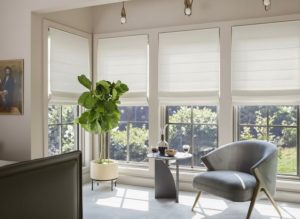
Factors to Consider When Choosing Roman Blinds
When selecting Roman blinds, several factors must be considered to ensure optimal performance and style.
Room purpose and window size: Large windows may require reinforced fabrics or motorized systems for smooth operation. Bedrooms may benefit from blackout linings, while living areas may prefer light-filtering materials.
Fabric type and color: Consider durability, ease of cleaning, and aesthetic harmony. Light fabrics create airy, spacious feelings, while darker or textured fabrics add richness and depth.
Desired light control and privacy: Different fabrics and linings cater to varying levels of light management and privacy, depending on room function.
Installation method: Inside mounts provide a sleek look, while outside mounts can create the illusion of larger windows and provide extra coverage. Proper measurement is crucial for functionality and aesthetics.
Maintenance and durability: Fabrics must be easy to clean, resistant to fading, and maintain their structure over time. Synthetics and blends are ideal for high-traffic areas, while natural fabrics suit more formal or low-use spaces.
Installation and Maintenance
Accurate measurement and proper installation are essential for Roman blinds to function optimally. Inside mounts require precise measurements of the window frame to ensure a snug fit and smooth operation. Outside mounts allow more flexibility in coverage but still require accuracy to maintain aesthetic appeal. Professional installation is recommended, particularly for large, irregular, or angled windows.
Maintenance varies by fabric type. Regular dusting or gentle vacuuming keeps blinds clean and prolongs their life. Silk, velvet, and delicate fabrics require careful handling and occasional professional cleaning. Periodic checks of cords, loops, and mechanisms prevent operational issues, while seasonal adjustments optimize light control and energy efficiency. Well-maintained Roman blinds can last for many years, providing enduring value and performance.
Cost Considerations
Roman blinds vary in cost depending on fabric choice, size, complexity, and operation mechanism. Budget-friendly options, such as basic cotton or linen blinds, provide essential functionality and style at a lower cost. Mid-range options balance aesthetics, durability, and functionality, often incorporating lined fabrics and more sophisticated mechanisms. Premium blinds, including motorized or custom designs, offer advanced convenience, luxurious materials, and long-term durability. Although initial costs may be higher, the long-term benefits in style, comfort, and energy efficiency often justify the investment.
Common Mistakes to Avoid
Homeowners often make mistakes when selecting Roman blinds, such as choosing fabrics unsuited for the room or climate, inaccurate measurements that compromise fit, neglecting lining options, or ignoring integration with existing décor. Improper installation can lead to uneven folds or difficult operation. Overlooking maintenance or seasonal adjustments can reduce functionality over time. Consulting with professionals or experienced suppliers can prevent these mistakes and ensure Roman blinds deliver maximum aesthetic, functional, and energy-saving benefits.
Expert Tips for Selection
Pairing Roman blinds with curtains or shades can enhance insulation and style. Choosing fabrics that match furniture, wall colors, and room textures ensures visual cohesion. Evaluate fabric properties carefully for durability, light control, and thermal performance. For hard-to-reach windows, motorization or automation increases convenience and ensures consistent use. Thoughtful selection and installation maximize both aesthetics and functionality, providing a stylish and practical solution for any room.
Conclusion
Roman blinds combine elegance, functionality, and versatility, making them an ideal window treatment for modern homes. With careful consideration of styles, fabrics, linings, and operation mechanisms, homeowners can achieve the perfect balance of light control, privacy, energy efficiency, and interior aesthetics. Proper installation, maintenance, and professional guidance ensure that Roman blinds provide lasting beauty, comfort, and performance. Whether for formal living areas, cozy bedrooms, or high-traffic spaces, Roman blinds are a sophisticated solution that elevates any interior while addressing practical needs.