


Skylight Blinds Expert Guidance on Selecting the Ideal Roof Window Covering

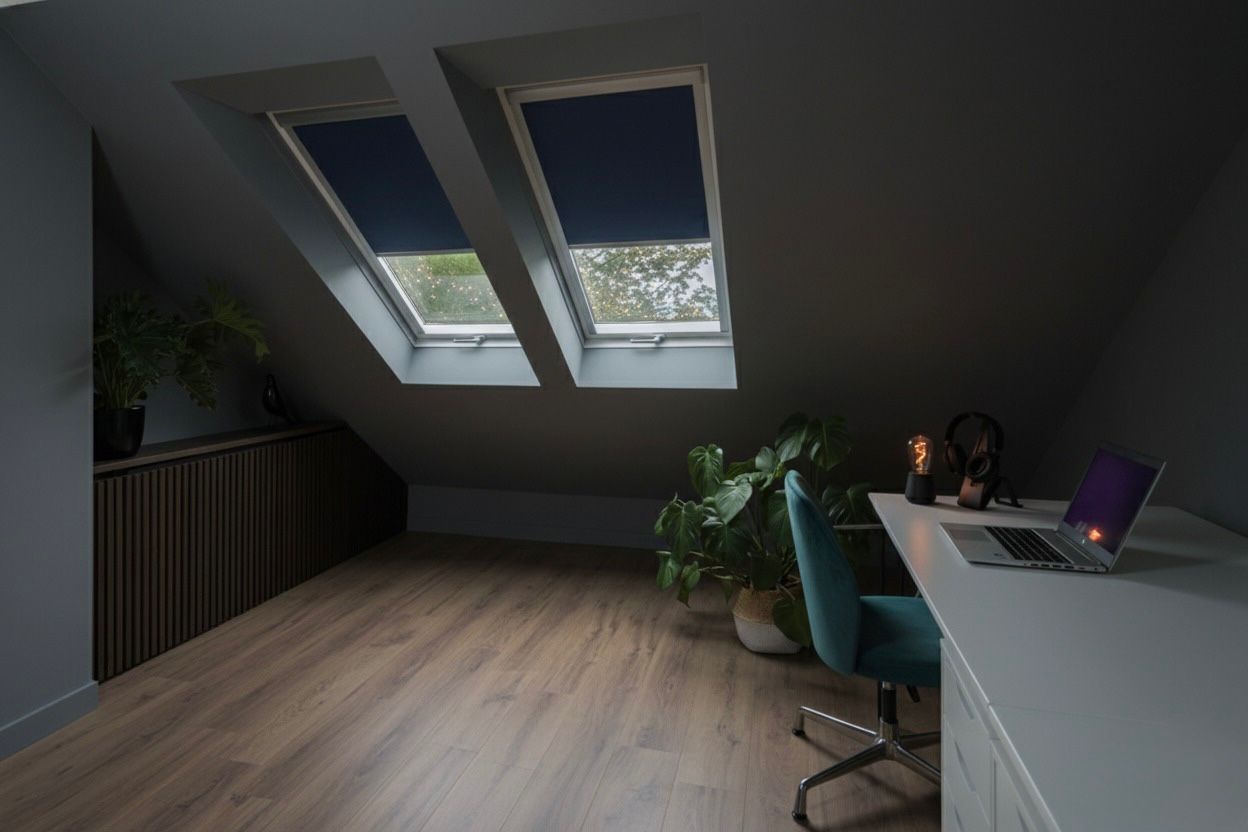
Skylights are a beautiful addition to any home, bringing in natural light, enhancing aesthetics, and improving ventilation. They make spaces feel brighter and more open, transforming ordinary rooms into inviting living areas. However, while skylights provide numerous benefits, they also present unique challenges. Excessive sunlight can lead to glare, overheating, and fading of furniture. During colder months, heat loss through roof windows can increase energy bills. Privacy can also be an issue, particularly for skylights overlooking neighboring properties. This is where skylight blinds come into play. They offer a practical, stylish, and energy-efficient solution to address these challenges while maintaining the appeal of natural light.
Understanding Skylight Blinds
Skylight blinds are specialized window treatments designed to control light, heat, and privacy for roof windows. Unlike standard vertical or horizontal blinds, skylight blinds can be fitted precisely to roof windows, offering control over light, heat, and privacy. They act as a barrier, diffusing sunlight, blocking harmful UV rays, and preventing excessive heat from entering or escaping the home. High-quality skylight blinds can significantly enhance comfort while contributing to energy efficiency by reducing the reliance on heating and cooling systems.
Benefits of Skylight Blinds
One of the main advantages of skylight blinds is energy efficiency. Roof windows are a significant source of heat loss in winter and heat gain in summer. Well-insulated blinds help maintain a consistent indoor temperature, reduce energy consumption, and lower utility bills. Skylight blinds also protect furniture, flooring, and other interior surfaces from fading caused by prolonged exposure to sunlight. Additionally, they reduce glare, making it easier to work, watch television, or relax in naturally lit spaces. Modern skylight blinds come in various styles and materials, allowing homeowners to complement interior décor while addressing practical concerns.
Types of Skylight Blinds
Roller Skylight Blinds are simple and popular, consisting of a single fabric panel that can be rolled up or down. Roller blinds can be made from blackout materials to completely block sunlight or from light-filtering fabrics that soften natural light.
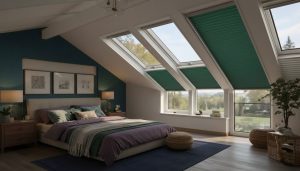
Pleated and Cellular Blinds feature folded fabric designs. Cellular, or honeycomb blinds, include multiple layers of fabric with air pockets that act as natural insulation, reducing heat loss during winter and keeping interiors cooler in summer.
Venetian or Slatted Blinds provide adjustable light control through tilting horizontal or angled slats. They are made from aluminum, wood, or faux wood, offering flexibility in controlling sunlight while maintaining privacy.
Motorized and Smart Blinds can be opened or closed using a remote control, smartphone app, or integrated smart-home system. Automation allows homeowners to schedule blinds to operate at specific times, maximizing energy efficiency and convenience.
Factors to Consider When Choosing Skylight Blinds
Window Size and Shape: Skylights vary widely in dimensions and angles. Custom-made blinds are often necessary for irregularly shaped or oversized roof windows to ensure a perfect fit.
Desired Light Control: Blackout blinds are ideal for bedrooms or media rooms, while light-filtering options are suitable for living areas where soft, natural light is preferred.
Thermal Insulation and Energy Efficiency: Cellular or honeycomb designs are effective in trapping heat in winter and reflecting heat in summer, contributing to comfort and energy savings.
Style and Aesthetic Considerations: Colors, patterns, and materials should harmonize with interior décor while complementing the style of the roof window.
Operation Mechanism: Manual blinds are simple and reliable, while motorized blinds provide convenience and smart-home integration. The choice depends on window accessibility, household preferences, and budget.
Installation of Skylight Blinds
Accurate measurement ensures a snug fit, preventing gaps that compromise insulation and light control. Inside mounts fit the blind within the window frame for a clean appearance, while external mounts offer additional coverage for enhanced energy efficiency. Professional installation is recommended for large or angled skylights to ensure smooth operation and correct alignment. Layering blinds with curtains or pelmets can further improve insulation, creating a multi-layer barrier against heat loss or gain.
Maintenance and Care
Regular cleaning preserves both appearance and performance. Dusting or vacuuming removes debris from fabric or slats, while reflective or metallic blinds can be wiped with a soft, damp cloth. Mechanisms such as tracks, cords, or motorized systems should be checked periodically to ensure smooth operation. Seasonal adjustments optimize light and temperature management, maintaining energy efficiency and comfort throughout the year.
Cost Considerations
Budget-friendly options like roller blinds provide essential light control at a lower price point. Cellular or motorized blinds may require a higher initial investment but offer long-term energy savings and enhanced convenience. Mid-range options balance functionality, aesthetics, and insulation, while premium motorized or custom-designed blinds provide advanced features, durability, and efficiency. Evaluating costs alongside potential energy savings and UV protection makes the investment worthwhile.
Common Mistakes to Avoid
Choosing materials unsuitable for your climate, inaccurate measurements, ignoring insulation properties, and overlooking automation convenience are common errors. Failing to consider aesthetic integration can result in blinds that function well but appear out of place. Consulting experts or suppliers who specialize in skylight solutions helps avoid these mistakes, ensuring maximum benefits in comfort, energy efficiency, and design.
Expert Tips for Maximizing Efficiency
Pair blinds with additional window treatments like curtains or shades for layered insulation. Adjust blinds seasonally to optimize temperature management, closing them during hot summer afternoons and opening in winter mornings. Smart-home integration allows automated scheduling for energy efficiency and convenience. UV-resistant materials protect interior furnishings from fading. Combined, these strategies ensure skylight blinds provide both functional and aesthetic advantages.
Conclusion
Skylight blinds are a versatile, practical, and stylish solution for managing light, heat, and privacy in homes with roof windows. From roller and cellular designs to motorized and custom fabrics, homeowners have a wide range of options to meet specific needs. Proper selection, installation, and maintenance ensure optimal performance, energy efficiency, and comfort. Skylight blinds enhance ambiance, protect interiors, and contribute to long-term savings, making them an essential investment for any modern home.