


How Thermal Blinds Improve Energy Efficiency in Your Home

Energy efficiency has become a central concern for homeowners looking to reduce utility bills, minimize environmental impact, and improve indoor comfort. Windows are a key element in home energy performance, as they are often the primary source of heat loss in winter and heat gain in summer. Traditional window treatments like curtains or basic blinds provide some insulation, but they rarely optimize energy efficiency. Thermal blinds, designed specifically to retain heat during colder months and reflect sunlight during warmer months, offer a practical and stylish solution to this problem. Not only do they improve comfort, but they also contribute to significant cost savings over time. This article explores the types, materials, installation tips, benefits, and maintenance strategies of thermal blinds, providing a comprehensive guide for homeowners looking to enhance energy efficiency through smart window solutions.
What Are Thermal Blinds?
Definition and Function
Thermal blinds are specially engineered window coverings that reduce heat transfer through glass surfaces. They work by either trapping a layer of air between the window and the room or by reflecting solar radiation away from the window. This dual functionality ensures that homes remain warmer in winter and cooler in summer. Unlike standard blinds, thermal blinds utilize insulating materials and construction techniques to enhance their performance. Cellular blinds, also known as honeycomb blinds, are among the most effective due to their unique air-pocket design. Other types include roller blinds with insulating backings and layered or multi-fabric designs. By combining insulation and light control, thermal blinds improve indoor comfort, prevent energy loss, and reduce the demand on heating and cooling systems.
Types of Thermal Blinds
Cellular (Honeycomb) Blinds: These blinds feature a honeycomb structure with one or more layers of air pockets that trap heat during winter and block heat in summer. The design allows for efficient insulation while maintaining a sleek, modern look.
Roller Blinds with Thermal Backing: Roller blinds are simple yet effective when fitted with thick fabrics or reflective backings. They provide direct insulation, are easy to operate, and are suitable for a variety of window sizes.
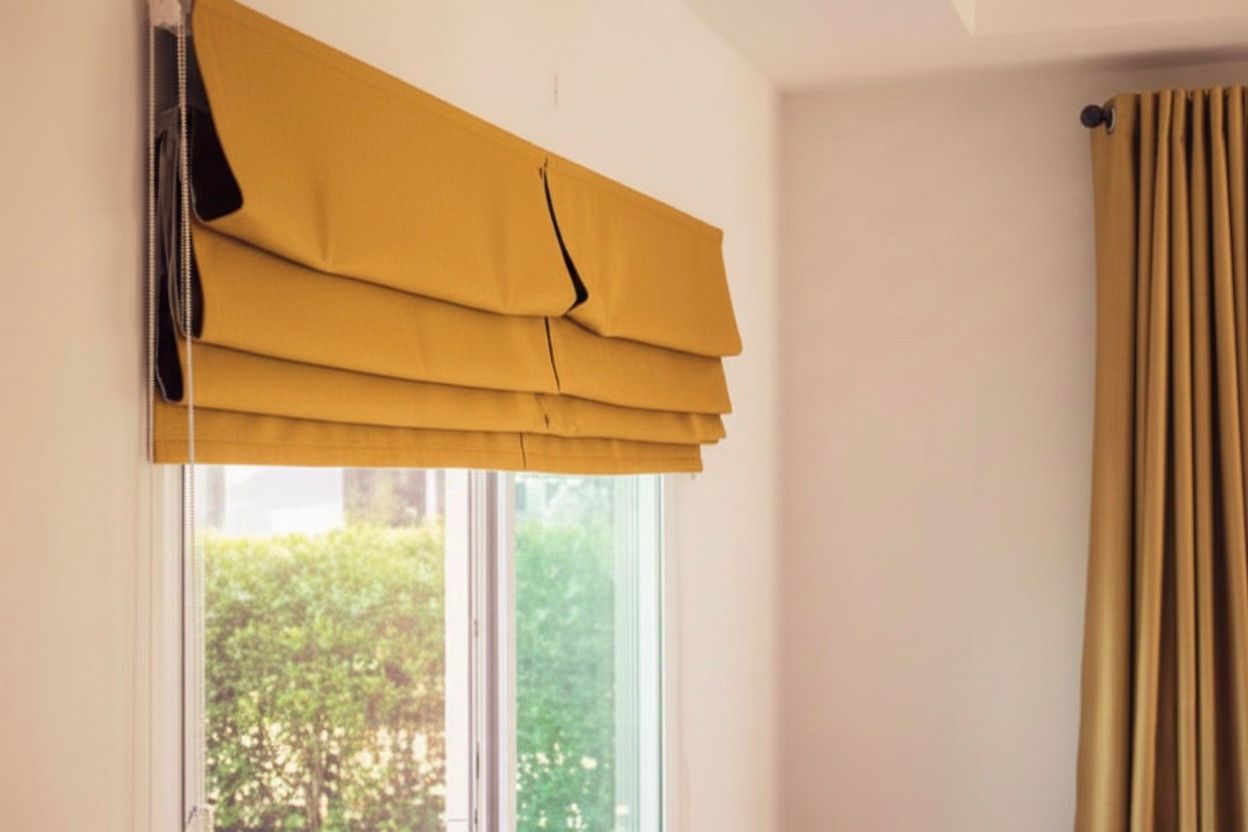
Roman Blinds with Insulated Layers: Roman blinds combine elegance with functionality. Their layered fabric design enhances insulation while allowing homeowners to enjoy a decorative window covering that complements interior décor.
Layered or Multi-Fabric Blinds: By combining different materials or fabrics, these blinds maximize energy efficiency, light control, and aesthetic appeal. They are often custom-made to suit the style and size of specific windows.
How Thermal Blinds Improve Energy Efficiency
Reducing Heat Loss in Winter
During colder months, thermal blinds act as an additional barrier between indoor spaces and cold glass surfaces. By trapping warm air inside, they prevent it from escaping through windows, significantly reducing heat loss. Cellular blinds are particularly effective because the air pockets within the cells act as natural insulators, slowing the transfer of cold air into the room. In contrast, traditional curtains or standard blinds provide minimal insulation, allowing heat to escape more easily. Studies show that properly fitted thermal blinds can reduce heat loss by up to 25%, translating into noticeable reductions in heating bills. For homeowners living in colder climates, this energy-saving feature alone can justify the investment in high-quality thermal blinds.
Blocking Heat in Summer
Thermal blinds also enhance energy efficiency in warm weather. Reflective coatings or insulating layers prevent solar radiation from entering the room, keeping interiors cooler and reducing the load on air conditioning systems. By adjusting slats or rolling down blinds during peak sunlight hours, homeowners can maintain a comfortable indoor temperature without relying heavily on cooling devices. This not only lowers energy consumption but also protects furnishings from fading due to direct sunlight. Strategic use of thermal blinds—combined with proper window orientation—can lead to substantial reductions in cooling costs, particularly in homes with large windows or sun-facing walls.
Enhancing Insulation and Comfort
Beyond energy savings, thermal blinds contribute to overall indoor comfort. They help maintain a consistent temperature by reducing drafts and minimizing hot or cold spots near windows. Homeowners can enjoy a more stable indoor climate, which is especially valuable in rooms frequently used throughout the day, such as living rooms, kitchens, and bedrooms. Consistent insulation also improves the efficiency of HVAC systems, as heating and cooling units do not need to work as hard to maintain desired temperatures. In addition, thermal blinds provide added privacy without sacrificing natural light, allowing residents to control the ambiance of their living spaces effectively.
Materials and Construction for Maximum Efficiency
Insulating Materials
Thermal blinds rely on specialized materials to achieve their energy-saving performance. Cellular or honeycomb blinds use multiple layers of fabric to create air pockets, which act as natural insulators. Foam-backed fabrics enhance heat retention, while reflective coatings deflect sunlight and UV rays during warmer months. Double-layered fabrics combine these properties, maximizing both insulation and light control. Selecting the right material is crucial; high-quality fabrics maintain their structure and thermal properties over time, ensuring long-term energy efficiency.
Construction Techniques
The construction of thermal blinds significantly affects their performance. Single-cell blinds provide basic insulation, while double-cell or triple-cell designs increase energy efficiency by creating multiple layers of air pockets. Layered fabrics with reflective backings further enhance performance by reflecting solar heat and preventing it from entering indoor spaces. Proper edge sealing and a tight fit are essential to prevent heat from escaping through gaps. High-quality construction ensures that blinds function effectively in both summer and winter, providing consistent energy savings and maintaining comfort throughout the year.
Additional Benefits of Thermal Blinds
Noise Reduction
Thermal blinds do more than just save energy; they also reduce noise pollution. The air pockets and layered fabrics absorb sound waves, dampening outdoor noise and creating a quieter indoor environment. This benefit is particularly valuable for homes located in urban areas or near busy streets, as well as for rooms like bedrooms and home offices where silence is important for rest or concentration.
Light Control and Privacy
Thermal blinds provide excellent light control. By adjusting the tilt or position of the blinds, homeowners can regulate the amount of natural light entering a room while maintaining privacy. During the day, slats can be partially opened to allow diffused sunlight, while full closure ensures complete privacy at night. This balance between natural light and privacy enhances comfort and energy efficiency simultaneously.
Aesthetic Versatility
Modern thermal blinds are available in a wide range of colors, textures, and patterns, making them suitable for any interior style. Whether a home features contemporary, traditional, or minimalist décor, thermal blinds can blend seamlessly while providing functional benefits. The versatility in design ensures that energy efficiency does not come at the expense of aesthetics, allowing homeowners to achieve both style and performance.
Choosing the Right Thermal Blinds
Material Selection
Selecting the right material is critical for maximizing energy efficiency. Cellular blinds are ideal for both summer and winter insulation, while roller blinds with thermal backing work well for blocking heat and light. Roman blinds provide a decorative option with effective insulation, and layered or multi-fabric blinds are best for large windows requiring enhanced performance. Choosing durable materials ensures long-term effectiveness and reduces maintenance needs.
Size and Fit
Proper sizing and installation are essential to ensure maximum energy efficiency. Blinds should fit snugly within the window frame, minimizing gaps that could allow heat transfer. Inside mounts provide a clean look and effective insulation, while outside mounts offer additional coverage and can improve overall performance for larger windows. Accurate measurements are critical to avoid energy loss and ensure smooth operation.
Operation Mechanism
Thermal blinds are available in both manual and motorized options. Manual blinds are cost-effective and reliable, suitable for most residential settings. Motorized blinds, however, offer convenience and can be integrated into smart-home systems, allowing homeowners to schedule automatic opening and closing to optimize energy efficiency. Motorization is particularly useful for large or hard-to-reach windows, ensuring consistent usage and long-term energy savings.
Installation Tips
Correct installation is vital for achieving the full energy-saving potential of thermal blinds. A tight fit ensures minimal gaps through which heat can escape. Professional installation is recommended for oversized or custom-shaped windows to guarantee smooth operation and maximum insulation. Layering thermal blinds with curtains or pelmets can further improve efficiency by creating additional barriers against heat loss and gain. Avoiding common mistakes such as improper alignment or uneven stacking helps maintain both function and aesthetic appeal. By taking care during installation, homeowners can ensure that thermal blinds perform optimally year-round.
Maintenance and Longevity
Cleaning and Care
Regular cleaning maintains both the appearance and performance of thermal blinds. Dusting or vacuuming removes debris from fabric and cellular structures. Reflective coatings should be wiped with a soft, damp cloth to preserve their heat-reflecting properties. Routine cleaning prevents buildup that can reduce insulation efficiency and ensures that blinds continue to function as intended.
Preventive Maintenance
Periodic inspection of blinds helps identify wear or misalignment early. Check cords, tracks, and slats to prevent operational issues. Lubricating tracks and adjusting tension as needed ensures smooth operation. For motorized blinds, professional servicing may be required to maintain electronic components. Preventive maintenance extends the lifespan of thermal blinds and preserves their energy-saving capabilities.
Seasonal Adjustments
Thermal blinds are most effective when adjusted according to seasonal changes. In summer, slats or blinds should be positioned to block direct sunlight, reducing cooling costs. In winter, opening blinds during daylight hours allows natural heat to enter, while closing them at night retains warmth. Seasonal adjustments optimize energy efficiency and comfort throughout the year.

Cost Considerations
Factors Affecting Price
The cost of thermal blinds depends on material, size, customization, and operation mechanism. Cellular or multi-fabric designs are more expensive than standard roller blinds, while motorized blinds increase the upfront investment. However, higher-quality blinds often deliver greater long-term energy savings and durability, offsetting initial costs over time.
Price Ranges
Budget-friendly thermal blinds start around $100–$200 per window, mid-range options range from $300–$600, and premium or motorized systems can exceed $800 per window. Investing in high-quality blinds provides better insulation, longer lifespan, and more consistent energy efficiency.
Return on Investment (ROI)
Thermal blinds can reduce heating and cooling costs by 15–25%, depending on window size, orientation, and home insulation. Over several years, the energy savings can cover the initial cost, making thermal blinds a financially smart choice for homeowners.
Energy Efficiency Tips Beyond Thermal Blinds
- Combine thermal blinds with curtains for layered insulation.
- Use blinds strategically based on window orientation; block sunlight on west-facing windows in summer, open south-facing windows in winter.
- Enhance overall home insulation with double-glazed windows, weatherstripping, and draft-proofing.
- Use smart-home automation to schedule blinds for optimal energy savings.
Common Mistakes to Avoid
- Choosing blinds without considering material suitability for climate.
- Poor measurements leading to gaps and reduced insulation.
- Skipping professional installation for large or irregular windows.
- Neglecting regular maintenance or seasonal adjustments.
- Selecting the wrong color or reflective backing, which can reduce efficiency.
Conclusion
Thermal blinds are a highly effective, stylish, and practical solution for improving energy efficiency in homes. By reducing heat loss in winter, blocking heat in summer, and providing insulation against drafts and noise, they create a more comfortable living environment while lowering energy bills. Choosing the right material, size, and operation method, combined with proper installation and maintenance, ensures maximum performance and long-term savings. Beyond energy efficiency, thermal blinds also enhance privacy, light control, and interior aesthetics. For homeowners looking to invest in sustainable and cost-effective solutions, thermal blinds offer both immediate and long-term benefits, making them an essential addition to any modern home.