


Vertical Blinds A Practical and Modern Solution for Large Windows

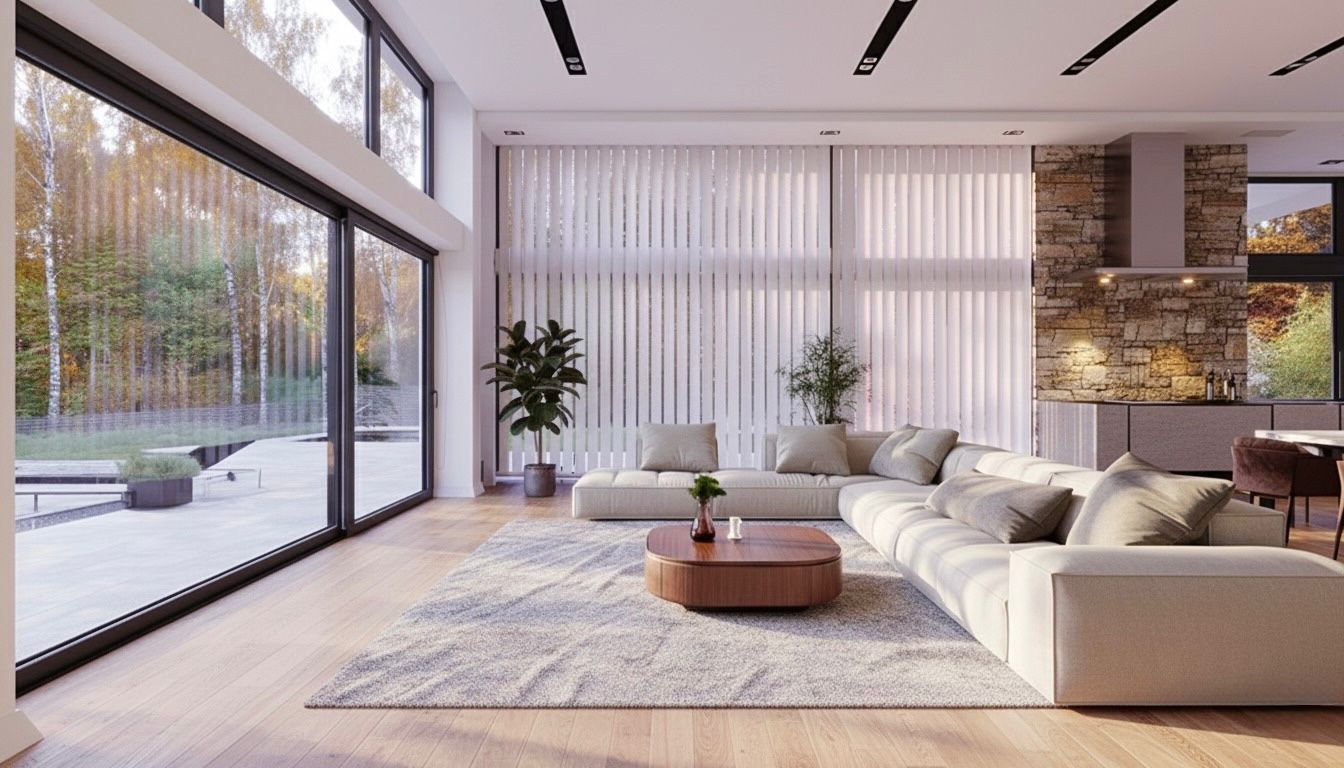
Large windows are a stunning feature in modern homes, allowing natural light to flood interiors, creating a bright and spacious environment. However, they also present challenges such as glare, excessive heat, and privacy concerns. Vertical blinds are an ideal solution to these challenges, offering both style and practicality. Unlike traditional curtains or horizontal blinds, vertical blinds are specifically designed to cover wide, tall, or floor-to-ceiling windows efficiently. They allow precise control over light, maintain privacy, and complement modern interior designs. With their versatile material options, sleek appearance, and ease of use, vertical blinds have become a preferred choice for both residential and commercial spaces. Additionally, their durability, ease of maintenance, and ability to enhance energy efficiency make them a smart investment for homeowners seeking a long-lasting and functional window treatment.
Understanding Vertical Blinds
What Are Vertical Blinds?
Vertical blinds consist of long, vertical slats or vanes suspended from a horizontal headrail. Unlike horizontal blinds, they operate by sliding side-to-side and tilting the slats for optimal light control. The vanes can rotate to allow sunlight in, diffuse light softly, or fully close for privacy. They are particularly effective for wide or tall windows, where horizontal blinds or curtains may appear cumbersome or inefficient. Controlled by chains, wands, or motorized systems, vertical blinds provide smooth and effortless operation even for large openings. Their modern and streamlined design makes them a popular choice for contemporary homes and offices, balancing functionality with visual appeal.
Materials Used in Vertical Blinds
Vertical blinds are manufactured using various materials, each suited to specific needs. PVC and vinyl blinds are moisture-resistant, making them ideal for kitchens, bathrooms, or commercial spaces. Fabric blinds provide warmth, softness, and a variety of textures, suitable for living rooms or bedrooms. Faux-wood and wooden blinds add elegance and natural appeal, complementing traditional or rustic interiors. Aluminum blinds are lightweight, durable, and perfect for professional settings or modern minimalist designs. The choice of material impacts durability, maintenance requirements, light control, and the overall aesthetic, making it important to select the right type for each room.
Types of Vertical Blinds
Vertical blinds come in multiple styles to suit different spaces and purposes. Standard vertical blinds offer straightforward functionality at an affordable price. S-curve or wave-style blinds provide a softer, drapery-like look while still maintaining full adjustability. Sheer vertical blinds combine fabric textures with filtered light, adding a luxurious feel while controlling brightness. Blackout vertical blinds ensure complete darkness, ideal for bedrooms or media rooms. Motorized or smart blinds allow remote operation, enhancing convenience, particularly for large or hard-to-reach windows. Custom-printed or patterned blinds offer a creative touch, allowing homeowners to incorporate personalized designs into their interiors.

Benefits of Vertical Blinds for Large Windows
Smooth Operation for Wide Spaces
Vertical blinds are designed for large windows and sliding doors, offering smooth, effortless operation. Their horizontal headrail and individual vanes ensure even movement, reducing strain and wear. Unlike heavy drapes or sagging horizontal blinds, vertical blinds maintain alignment and stability regardless of window size. This is particularly useful in high-traffic areas or commercial spaces, where frequent adjustments are necessary. Motorized options further improve functionality, enabling easy control of wide or tall blinds without manual effort. Smooth operation ensures long-term durability and user convenience.
Light Control and Privacy
Vertical blinds provide exceptional light management and privacy control. Tilting the slats allows sunlight to enter at desired angles while preventing glare on screens or furniture. Complete closure ensures full privacy, making them suitable for bedrooms, offices, or street-facing windows. Adjustable slats help regulate heat and reduce UV exposure, protecting flooring, artwork, and furniture. This adaptability allows homeowners to create comfortable indoor environments while maintaining a connection to the outdoors, balancing light, privacy, and energy efficiency.
Space Efficiency and Versatility
Unlike bulky curtains that occupy floor space, vertical blinds stack neatly to the side, maintaining a clean and spacious appearance. They are versatile, suitable for sliding doors, floor-to-ceiling windows, bay windows, or office partitions. Vertical blinds’ slim design complements modern and minimalistic interiors, preventing visual clutter. Their adaptability also allows layering with curtains for added insulation, light control, or decorative effect. This combination of functionality and space efficiency makes vertical blinds ideal for both compact and expansive rooms.
Aesthetic Advantages of Vertical Blinds
Modern and Minimalistic Look
Vertical blinds enhance modern interiors with sleek, linear designs that create a sense of height and space. Their clean lines and vertical orientation visually elongate windows and draw attention upward, enhancing room proportions. Unlike heavy curtains that can dominate a space, vertical blinds maintain simplicity while providing elegance and style. They blend seamlessly with contemporary décor and can serve as a subtle focal point or complement other design elements in the room.
Wide Range of Colors, Textures, and Customization
Vertical blinds are available in various colors, textures, and finishes to match any décor. From neutral shades for minimalism to vibrant tones or patterns for artistic spaces, homeowners can customize blinds to complement furniture, wall colors, and flooring. Faux-wood, natural wood, fabric, and aluminum options allow for flexibility in style and function. Customization extends to vane size, control mechanisms, and motorization, ensuring that vertical blinds meet both aesthetic and practical requirements.
Compatibility with Various Décor Styles
Vertical blinds suit multiple interior styles, including modern, industrial, traditional, Scandinavian, or transitional designs. Neutral colors and smooth finishes blend into professional office spaces, while textured fabrics and wood tones enrich residential interiors. The adaptability in material and design ensures that vertical blinds enhance rather than clash with existing décor, making them a versatile and timeless choice.
Functional Advantages of Vertical Blinds
Effective Sunlight and Heat Control
Vertical blinds offer unparalleled control over sunlight, which is crucial for large windows exposed to direct sun. The tilting vanes allow homeowners to adjust the angle of incoming light, reducing glare on screens, preventing fading of furniture, and maintaining comfortable indoor temperatures. By partially opening the slats, rooms can receive ambient light without overheating, while fully closing them blocks unwanted sun rays entirely. This flexibility contributes to energy efficiency, lowering reliance on air conditioning during summer and heating during winter. The ability to control light and heat also makes vertical blinds ideal for rooms like living areas, sunrooms, or offices, where excessive sunlight can be disruptive.
Privacy Management
Large windows often compromise privacy, particularly in ground-floor rooms or street-facing areas. Vertical blinds solve this problem effectively. Their adjustable slats allow for precise visibility control: tilt the vanes slightly to maintain daylight while preventing outsiders from looking in, or fully close them for complete privacy. This is particularly important for bedrooms, bathrooms, and home offices. Compared to curtains, which may leave gaps or require frequent adjustments, vertical blinds offer consistent coverage and precise control, combining functionality with style. Homeowners can enjoy natural light without sacrificing privacy, making vertical blinds a practical solution for modern living spaces.
Durability and Low Maintenance
Vertical blinds are built to last, even when used frequently on large windows or sliding doors. Materials like PVC, vinyl, aluminum, and faux wood resist warping, fading, and moisture damage. Their simple construction ensures easy cleaning: dusting, wiping, or vacuuming is sufficient for regular maintenance, while deeper cleaning can be done periodically without removing the entire system. The headrail and tracking mechanisms are designed for smooth operation, reducing wear and tear. This combination of durability and low maintenance makes vertical blinds a smart investment, providing both long-term functionality and consistent aesthetic appeal for residential and commercial spaces alike.

Vertical Blinds for Different Types of Large Windows
Sliding Glass Doors
Sliding glass doors often connect living areas to patios or gardens, making light control and access crucial. Vertical blinds are perfect because the slats glide smoothly along a track, allowing full access to the doorway while providing privacy and adjustable sunlight. Unlike curtains, which may interfere with door operation or require excessive fabric, vertical blinds stack neatly to one side. Motorized options enhance convenience for large or hard-to-reach doors, while lightweight materials ensure effortless operation. Their vertical orientation also complements tall doors, maintaining a streamlined and modern appearance.
Floor-to-Ceiling Windows
Floor-to-ceiling windows create an open, airy atmosphere but require a functional solution to manage light, privacy, and glare. Vertical blinds cover the entire height without overwhelming the room, providing smooth control over sunlight. Custom-length vanes ensure a perfect fit, while tilting allows for soft light diffusion. Unlike curtains, which can appear bulky and heavy, vertical blinds maintain a minimalistic, elegant look that highlights the architectural beauty of large windows. They also offer practical benefits like protecting furniture from UV damage and enhancing energy efficiency.
Bay and Bow Windows
Bay and bow windows are aesthetically stunning but can be challenging to dress. Vertical blinds can be custom-fitted with segmented tracks that follow the angles or curves, ensuring uniform coverage. Each vane can move independently, allowing precise adjustment of light and privacy. When fully opened, blinds stack neatly, preserving panoramic views and maximizing natural light. This solution is far more practical than traditional curtains, which can obscure window shapes or fail to provide uniform coverage. Custom tracks and professional installation ensure both visual appeal and functionality.
Glass Walls and Office Partitions
Commercial spaces with glass walls or office partitions require treatments that provide privacy, light control, and a professional look. Vertical blinds meet these needs perfectly. The tilting vanes allow employees to manage glare on computer screens while maintaining openness during daylight hours. Full closure ensures confidential areas remain private. With sleek materials and neutral colors, vertical blinds enhance corporate aesthetics and maintain a modern, uncluttered appearance. Low-maintenance materials are ideal for high-traffic areas, making them an efficient and visually appealing solution for offices.
Choosing the Right Vertical Blinds
Material Selection
Selecting the right material depends on the room, climate, and purpose. PVC or vinyl is ideal for moisture-prone areas such as bathrooms and kitchens, as it resists water damage. Fabric blinds provide elegance, texture, and warmth, perfect for bedrooms or living areas. Faux wood and natural wood enhance traditional or rustic interiors, while aluminum offers a professional and modern look for offices. Choosing the right material ensures durability, ease of maintenance, and overall visual appeal.
Color and Texture
Colors and textures significantly impact the ambiance of a room. Light shades like white, cream, or pastel tones make small rooms feel spacious and bright, while darker shades create depth and contrast in larger spaces. Textured fabrics, faux-wood grains, or patterned designs add sophistication and complement interior elements. Customizing color and texture ensures vertical blinds harmonize with furniture, flooring, and wall finishes.
Manual vs Motorized Operation
Manual blinds are budget-friendly and effective for accessible windows, operated via cords, chains, or wands. Motorized blinds, however, add convenience, safety, and modern appeal. They can be controlled remotely or integrated into smart-home systems for automatic opening and closing. Motorized options are ideal for large, high, or hard-to-reach windows, offering effortless operation, energy efficiency, and enhanced home automation.
Measurement and Installation
Accurate measurements are critical for large windows. Decide between inside mounts, which fit neatly within the frame, or outside mounts, which cover the frame entirely and provide extra privacy. Measure width, height, and track depth carefully to prevent gaps or misalignment. Professional installation is recommended for oversized, custom, or floor-to-ceiling windows to ensure smooth operation, proper stacking, and an aesthetically pleasing finish.
Maintenance and Cleaning of Vertical Blinds
Routine Cleaning
Vertical blinds are low-maintenance but require regular attention to keep them looking fresh. Dusting with a soft cloth or vacuuming with a brush attachment at least once a week prevents buildup, especially for large windows that accumulate more dust. PVC, vinyl, and aluminum slats can be wiped with a damp cloth or mild soapy solution, while fabric vanes benefit from light vacuuming to remove dust particles. Regular cleaning not only maintains aesthetics but also improves the lifespan and smooth operation of blinds. In commercial spaces, high-traffic areas may require weekly maintenance, while residential rooms can suffice with monthly cleaning.
Deep Cleaning Methods
For deeper cleaning, fabric slats can be removed and hand-washed or dry-cleaned, depending on the manufacturer’s instructions. PVC and vinyl slats can be soaked in warm soapy water, wiped clean, and thoroughly dried. Aluminum vanes require only a damp cloth and gentle drying to avoid corrosion. Cleaning the headrail and tracks is essential to prevent dust or debris from interfering with smooth operation. Deep cleaning ensures that vertical blinds maintain their original color, texture, and functionality, extending their lifespan and keeping them looking brand-new.
Preventive Maintenance
Routine preventive care prolongs the life of vertical blinds. Regularly inspect chains, wands, and vanes for damage or misalignment. Lubricate tracks periodically to maintain smooth sliding. Ensure the bottom weights remain attached and aligned to prevent slats from twisting or tangling. Avoid pulling blinds forcefully, especially in large installations, to prevent mechanical damage. Scheduling professional maintenance for oversized or motorized blinds can also be beneficial. Preventive maintenance ensures optimal functionality and preserves the aesthetic appeal of blinds over time.
Seasonal Adjustments
Adjusting vertical blinds according to seasonal changes can enhance comfort and energy efficiency. During summer, tilt slats to reduce direct sunlight and heat gain, keeping rooms cooler. In winter, fully open vanes to allow sunlight to warm interiors naturally. Seasonal adjustments also protect furniture and flooring from UV damage. This simple practice not only improves indoor comfort but can contribute to reduced energy bills by optimizing natural light and temperature control throughout the year.
Cost Considerations for Vertical Blinds
Factors Affecting Pricing
The cost of vertical blinds depends on several factors, including material, size, customization, and operation type. PVC and standard fabric blinds are more budget-friendly, whereas faux-wood, natural wood, or premium fabrics command higher prices. Large or custom-sized windows require additional vanes, extended tracks, and sometimes professional installation, increasing overall cost. Motorized or smart blinds also raise the price due to automation features. Brand reputation and optional accessories, such as decorative valances or stacking options, can further influence cost. Understanding these variables helps homeowners budget effectively while ensuring they select blinds that meet functional and aesthetic needs.
Price Ranges for Different Types
Standard PVC or basic fabric vertical blinds typically cost between $50 and $150 per window. Mid-range options, including vinyl, textured fabrics, or faux-wood blinds, range from $150 to $400, depending on size and customization. Premium blinds, including motorized systems, natural wood, or custom-printed fabrics, can exceed $500 for large windows. While initial costs vary, investing in high-quality blinds often results in better durability, lower maintenance, and long-term savings compared to cheaper alternatives that may need replacement sooner.
Comparison With Other Window Treatments
Vertical blinds are often more practical and cost-effective for large windows compared to curtains, roller blinds, or Roman blinds. Curtains require significant fabric, which can be heavy and expensive, while roller blinds may not cover wide openings efficiently. Roman blinds provide style but can be costly and require maintenance. Vertical blinds balance affordability, functionality, and aesthetics, making them a versatile solution that performs well in both residential and commercial environments.
Common Mistakes to Avoid When Buying Vertical Blinds
Choosing the Wrong Material
Using unsuitable materials for specific rooms reduces durability. Fabric blinds may stain or fade in kitchens and bathrooms, whereas PVC or vinyl withstands moisture and cleaning. Wooden blinds are beautiful but can warp in humid environments. Selecting the appropriate material ensures longevity and consistent performance.
Ignoring Sunlight Direction
Large windows exposed to direct sunlight require careful consideration. Wrongly chosen colors or materials can cause glare, fading, or heat buildup. Tilting vanes according to sun patterns helps maintain comfort, protect interiors, and improve energy efficiency.
Inaccurate Measurements
Incorrect window measurements lead to gaps, misalignment, or malfunctioning blinds. Inside mounts require precise width, height, and track depth, while outside mounts need additional allowances for complete coverage. Professional measurement and installation reduce errors and guarantee smooth operation.
Expert Tips to Get the Most Out of Your Vertical Blinds
Styling and Layering
Layer vertical blinds with curtains for a polished look. Sheer curtains diffuse light while maintaining privacy; heavy drapes add elegance and insulation. Layering increases versatility, allowing homeowners to adjust light, temperature, and aesthetics according to the season or mood.
Motorization and Smart Home Integration
Motorized blinds add convenience and sophistication, especially for hard-to-reach or large windows. Integration with smart-home systems allows scheduling, remote control, and energy optimization, providing both functional and modern appeal.
Proper Alignment and Operation
Ensure smooth sliding and tilting by regularly checking alignment, cleaning tracks, and lubricating moving parts. Proper operation prevents mechanical wear and enhances long-term functionality.
Combining Function and Décor
Vertical blinds can be both practical and decorative. Choosing colors, patterns, and textures that complement furniture, flooring, and wall finishes enhances the room’s overall design while maintaining functional benefits.
Conclusion
Vertical blinds are a versatile, stylish, and practical solution for large windows. They offer light control, privacy, energy efficiency, and aesthetic appeal, making them suitable for homes and offices alike. Their wide range of materials, colors, textures, and customization options allows homeowners to match any décor while meeting functional requirements. Proper measurement, professional installation, routine cleaning, and preventive maintenance ensure longevity and optimal performance. Motorized or layered blinds further enhance convenience, safety, and style. By choosing the right vertical blinds, homeowners can transform large windows into elegant, functional features that elevate the comfort, aesthetics, and efficiency of any space.